
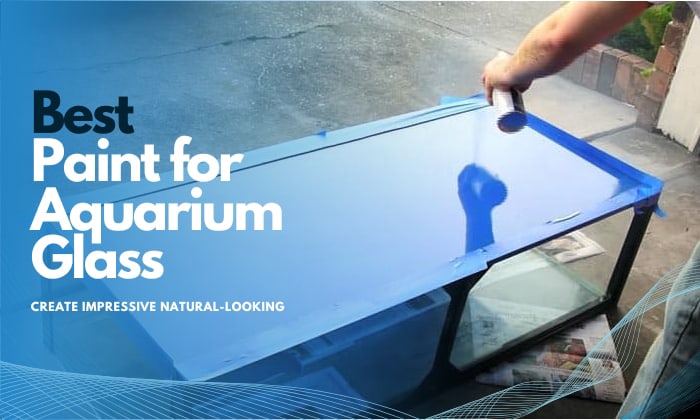
Are you ready to transform your aquarium into a mesmerizing underwater paradise? Look no further than acrylic paint! Whether you’re a seasoned aquarium enthusiast or just starting out, this ultimate guide will take you through the ins and outs of using acrylic paint to create stunning designs for your aquarium.
Acrylic paint is a versatile medium that offers a wide range of vibrant colors and a long-lasting finish. Its water-based formula makes it ideal for use in aquariums, as it won’t harm your aquatic pets or alter the water chemistry. From creating realistic coral reefs to adding depth and dimension with underwater landscapes, acrylic paint opens up a world of creative possibilities.
In this comprehensive guide, we’ll cover everything you need to know about using acrylic paint in your aquarium. We’ll walk you through the process of selecting the right paint, prepping your surfaces, and applying the paint for optimal results. We’ll also provide tips and tricks for achieving realistic textures and effects that will wow your friends and family.
Get ready to dive into the art of aquarium design with acrylic paint. Let your creativity flow and watch your aquarium come to life with stunning colors and captivating scenes.
Benefits of using acrylic paint in aquarium designs
Using acrylic paint in your aquarium designs offers a range of benefits that make it a popular choice among aquarium enthusiasts. Firstly, acrylic paint provides vibrant and long-lasting colors that can bring your underwater world to life. The pigments in acrylic paint are highly concentrated, resulting in intense hues that remain vibrant over time. Whether you want to create a colorful coral reef or a serene underwater landscape, acrylic paint can help you achieve the desired effect.
Another advantage of acrylic paint is its water-based formula. Unlike oil-based paints, acrylic paint dries quickly and doesn’t release any harmful fumes. This makes it safe to use in an enclosed environment like an aquarium. Additionally, acrylic paint is non-toxic and won’t harm your aquatic pets or affect the water chemistry. It’s important to ensure the well-being of your fish and other inhabitants, and acrylic paint provides a safe and suitable option for aquarium decoration.
Furthermore, acrylic paint offers excellent adhesion to various surfaces, including glass, plastic, and rocks commonly found in aquariums. This allows you to paint directly onto these surfaces without the need for primers or special preparations. The paint adheres well and forms a durable bond, ensuring that your design will withstand the test of time.
With the benefits of vibrant colors, water-based formula, and excellent adhesion, acrylic paint is a fantastic choice for enhancing the visual appeal of your aquarium.
Safety considerations when using acrylic paint in aquariums
While acrylic paint is generally safe for aquarium use, it’s essential to take some safety precautions to ensure the well-being of your aquatic pets. One of the most critical considerations is choosing acrylic paint that is specifically labeled as non-toxic and safe for aquariums. These paints are formulated to be free from harmful chemicals that could harm your fish or affect the water chemistry.
When selecting acrylic paint for your aquarium, avoid any paints that contain additives or solvents that may be toxic to aquatic life. It’s always best to opt for paints that have been specifically designed and tested for aquarium use. You can find these paints at pet stores or online retailers that specialize in aquarium supplies.
Before applying acrylic paint to your aquarium, it’s crucial to thoroughly clean and rinse all surfaces. Any residue or contaminants can impact the adhesion and longevity of the paint. Use a mild detergent and warm water to clean the surfaces, ensuring that there is no trace of soap left behind. Rinse thoroughly with clean water and allow the surfaces to dry completely before applying the paint.
It’s also important to note that acrylic paint can be harmful if ingested by fish or other aquatic creatures. While the paint itself is non-toxic, it’s best to prevent direct contact between the painted surfaces and your fish. This can be achieved by ensuring that the paint is fully cured and dry before reintroducing your fish to the aquarium. Allow ample time for the paint to dry and cure according to the manufacturer’s instructions before adding any aquatic life.
By following these safety considerations, you can enjoy the beauty of acrylic painted aquarium designs while ensuring the safety and well-being of your fish and other inhabitants.
Choosing the right acrylic paint for your aquarium design
Selecting the right acrylic paint is crucial for achieving the desired results in your aquarium design. With a wide variety of brands and colors available, it can be overwhelming to make the best choice. Here are some factors to consider when choosing acrylic paint for your aquarium:
- Non-toxic and aquarium-safe: Ensure that the paint is specifically labeled as non-toxic and safe for aquarium use. This guarantees that the paint won’t harm your fish or affect the water chemistry.
- Vibrant and lightfast: Look for acrylic paints that offer a wide range of vibrant colors. These paints should also be lightfast, meaning that they won’t fade or discolor over time when exposed to light.
- Water-based: Opt for water-based acrylic paints as they dry quickly and don’t release any harmful fumes. They are also easier to clean up and won’t affect the water chemistry in your aquarium.
- Adhesion: Consider the surfaces you’ll be painting on in your aquarium, such as glass, plastic, or rocks. Ensure that the paint you choose adheres well to these surfaces without peeling or cracking over time.
- Brand reputation: Research different brands of acrylic paint and read reviews from other aquarium enthusiasts. Choose a reputable brand known for producing high-quality and safe acrylic paints.
By considering these factors, you can select the right acrylic paint that will bring your aquarium design to life and ensure the longevity of your creation.
Preparing the aquarium for painting
Before you can start painting your aquarium, it’s essential to prepare the surfaces to ensure proper adhesion and longevity of the paint. Follow these steps to prepare your aquarium for painting:
- Empty the aquarium: Remove all fish, plants, decorations, and water from the aquarium. It’s crucial to have a clean and empty canvas to work with.
- Clean the surfaces: Thoroughly clean all surfaces, such as glass, plastic, or rocks, using a mild detergent and warm water. Scrub away any algae, dirt, or residue that may interfere with the adhesion of the paint. Rinse the surfaces with clean water to remove any traces of detergent.
- Dry the surfaces: Allow the surfaces to dry completely before proceeding with the painting process. Any moisture or dampness can affect the adhesion and curing of the paint.
- Mask off areas: If you have specific areas or sections of the aquarium that you don’t want to paint, such as silicone seals or equipment, use painter’s tape to mask off these areas. This will ensure clean lines and prevent any accidental paint splatters.
By properly preparing your aquarium for painting, you’ll create a solid foundation for your acrylic designs and ensure the best possible results.
Step-by-step guide to painting your aquarium with acrylic paint
Now that you’ve selected the right acrylic paint and prepared your aquarium, it’s time to dive into the actual painting process. Follow these steps to paint your aquarium with acrylic paint:
- Plan your design: Before starting, have a clear idea of the design you want to create. Whether it’s a realistic coral reef, an underwater landscape, or an abstract pattern, plan it out on paper or sketch it directly onto the aquarium surfaces using a water-soluble marker.
- Prime the surfaces (if needed): If you’re painting on a porous surface like rocks or wood, consider applying a primer to improve adhesion. Follow the manufacturer’s instructions for the primer and allow it to dry completely before proceeding.
- Apply the base coat: Start by applying a base coat of acrylic paint to the entire surface you’re painting. Use a brush or a roller, depending on the size and complexity of the area. Apply the paint in thin, even layers, ensuring complete coverage. Allow the base coat to dry thoroughly before moving on to the next step.
- Add depth and details: Once the base coat is dry, it’s time to add depth and details to your design. Use different shades of acrylic paint to create shadows, highlights, and textures. Experiment with various brushes, sponges, or even toothbrushes to achieve different effects. Remember to work in layers, allowing each layer to dry before adding the next.
- Blend and soften: To create a more realistic and seamless look, blend and soften the colors using a dry brush or a clean sponge. This will help to smooth out any harsh lines and create a more natural transition between colors.
- Allow for curing time: After completing your design, allow the paint to cure according to the manufacturer’s instructions. Curing time can vary depending on the brand and type of acrylic paint used. It’s crucial to be patient and give the paint ample time to fully cure before reintroducing your fish or adding water to the aquarium.
By following these step-by-step instructions, you’ll be able to paint your aquarium with acrylic paint and create a stunning underwater masterpiece.
Adding finishing touches to your acrylic painted aquarium
Once the paint has fully cured, it’s time to add the finishing touches to your acrylic painted aquarium. These final touches will enhance the overall visual impact of your design and create a captivating underwater world. Here are some ideas for adding those extra details:
- Seal the paint: Consider applying a clear acrylic sealer to protect the painted surfaces and enhance the colors. Choose a sealer that is specifically formulated for aquarium use to ensure it won’t harm your fish or water chemistry. Follow the manufacturer’s instructions for application and drying time.
- Introduce aquarium-safe decorations: Enhance your aquarium design with aquarium-safe decorations such as artificial plants, coral replicas, or driftwood. These additions will complement your painted design and create a more realistic and visually appealing underwater environment.
- Play with lighting: Experiment with different lighting options to showcase your acrylic painted design. Use LED lights or underwater spotlights to illuminate specific areas and create dramatic effects. Proper lighting can enhance the colors and textures of your design, bringing it to life even more.
- Maintain cleanliness: Regularly clean your acrylic painted aquarium to keep it looking its best. Gently wipe the painted surfaces with a soft cloth or sponge to remove any algae or debris. Avoid using abrasive materials or harsh chemicals that may damage the paint.
By adding these finishing touches, you’ll elevate your acrylic painted aquarium to the next level and create an enchanting underwater world for your fish and yourself to enjoy.
Maintenance and care for acrylic painted aquariums
To ensure the longevity and beauty of your acrylic painted aquarium, it’s important to follow proper maintenance and care practices. Here are some tips to keep your acrylic painted aquarium in top condition:
- Regularly monitor water parameters: Keep a close eye on the water parameters of your aquarium, including temperature, pH levels, and ammonia levels. Fluctuations in water chemistry can affect the adhesion and durability of the paint. Maintain stable and optimal water conditions to prevent any adverse effects on your painted surfaces.
- Avoid abrasive cleaning materials: When cleaning your aquarium, avoid using abrasive materials or harsh chemicals that may scratch or damage the painted surfaces. Opt for soft cloths or sponges and mild aquarium-safe cleaners. Gently wipe away any algae or debris without applying excessive pressure.
- Be cautious with decorations: If you decide to add or rearrange decorations in your aquarium, handle them with care to avoid scratching or damaging the painted surfaces. Place them gently and avoid dragging or scraping them against the paint.
- Regular maintenance routine: Follow a regular maintenance routine for your aquarium, including water changes, filter cleaning, and algae removal. This will help to keep the water clean and clear, reducing the risk of any contaminants coming into contact with the painted surfaces.
- Inspect and touch up as needed: Regularly inspect your acrylic painted aquarium for any signs of wear or damage. If you notice any chipping, peeling, or fading, consider touching up the affected areas with acrylic paint. Use a small brush and match the colors as closely as possible to ensure a seamless repair.
By following these maintenance and care practices, you’ll be able to enjoy your acrylic painted aquarium for years to come and preserve its beauty and charm.
Inspiring acrylic painted aquarium designs
To spark your creativity and provide inspiration for your own acrylic painted aquarium design, here are a few ideas to consider:
- Coral reef paradise: Create a vibrant and colorful coral reef scene using various shades of red, orange, and pink. Add intricate details to mimic different coral species and use lighter shades for highlights and shadows.
- Underwater landscape: Paint a serene underwater landscape with rolling hills, rock formations, and aquatic plants. Use different shades of blue, green, and brown to create depth and dimension. Add small fish or other aquatic creatures for a touch of realism.
- Abstract patterns: Experiment with abstract patterns and designs using bold and contrasting colors. Play with geometric shapes, swirls, or even splatters to create a visually striking and unique aquarium design.
- Natural habitat recreation: Research the natural habitat of your fish species and recreate it in your aquarium using acrylic paint. Mimic the rocks, vegetation, and substrate found in their native environment to create a natural and harmonious setting.
Remember, the possibilities are endless when it comes to acrylic painted aquarium designs. Let your imagination soar and create a design that reflects your personal style and the beauty of the underwater world.
Conclusion and final thoughts
Acrylic paint offers a fantastic opportunity to transform your aquarium into a stunning underwater paradise. Its vibrant colors, water-based formula, and excellent adhesion make it an ideal choice for aquarium designs. By following the steps outlined in this guide, you can confidently use acrylic paint to create captivating scenes and bring your aquarium to life.
Remember to prioritize safety when using acrylic paint in your aquarium. Choose non-toxic and aquarium-safe paints, prepare the surfaces properly, and allow for ample curing time before reintroducing your fish or adding water. Regular maintenance and care will ensure the longevity and beauty of your acrylic painted aquarium.
Now it’s time to unleash your creativity and dive into the art of aquarium design with acrylic paint. Let your imagination run wild, experiment with different techniques, and watch your aquarium transform into a mesmerizing underwater masterpiece. Happy painting!
Best Overall

Krylon K02728007
| ✔ Maximum rust-resistant feature |
| ✔ Can guarantee high-caliber durability |
| ✔ Does not necessitate priming or sanding |
Premium Choice
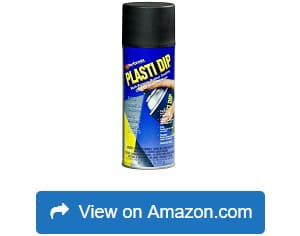
Performix 11203 Plasti Dip
| ✔ Stays stretchy and flexible |
| ✔ Ensure controlled, more comfortable |
| ✔ Provides stability against vibration |
Editor’s Choice

Rust-Oleum 1976730
| ✔ Ensure permanent protection |
| ✔ Does not come with strong odor |
| ✔ Fully cover of 30 square feet |
Top-Rated Paint for Aquarium Glass Reviews
1. Krylon K02728007 Fusion Spray Paint
If you want to invest in premium quality aquarium-safe paint, then this product will satisfy you. This can be applied for both indoor and outdoor uses and you can’t say anything negative about its adhesion since it is simply extraordinary. What makes it a good catch is that it is built with a rust-proof feature that allows it to last for many years and it also has the capability to combat rugged use.
In addition, it is renowned for its durability and it is not quite demanding to apply at all. As a matter of fact, there is no need for you to execute the extra work of sanding and priming. It dries stunningly fast and the next day you will just be so happy to see that it dries completely and solidly. It is easy to use and it is designed with a large button spray tip that can spray in any manner you prefer. As you can see, painting your fish tank glass is not complicated at all.
Nonetheless, this best paint for aquarium glass has the tendency to bubble or bulge especially when you are not able to apply it right. And, it comes with a light coating so for you to fully cover the area well, it may call for multiple coatings primarily if you are covering sharp edges as well as cast irons. See to it that you apply it evenly to achieve the desired look.
- Ideal for both outdoor and indoor use
- Can guarantee high-caliber durability as well as adhesion
- Equipped with maximum rust-resistant feature
- Does not necessitate priming or sanding
- Capable of drying in a span of a few minutes
- May require multiple coats for cast iron and sharp edges
- Has the tendency to bulge or bubble when not applied properly
2. Performix 11203 Plasti Dip
Finding aquarium safe paint for freshwater products these days could be time-consuming since other claims that they are safe to use but you should not just completely trust claims like that without clear proof.
By happy chance, for you to surely get the right spray paint for your fish tank, this brand can work for your requirements. This does an A1 job at safeguarding coated items against acid attack, any form of moisture and damages. Also, it can remain resilient and flexible and it does not get easily cracked or brittle.
In like manner, you can delight in a more comfortable, easy to control and non-slip grip whenever you need to use it. This spray paint is highly recommended for anyone who prefers being provided with much-needed protection against heat, electrical shock and vibration. It can be instantly removed from any surface particularly when it is all set to return to its prime surface.
Leaving aside the good features of this product, you should be aware that this may not serve as a permanent solution for your painting needs as it can be easily removed; hence it cannot promise to last longer. And, it has the potentiality not to go evenly. As you know, it could affect the appearance of the spot you spray painted.
- Stays stretchy and flexible and is not susceptible to become brittle or cracked
- Has the capability to shield coated items against damage, acid attack and moisture
- Can ensure controlled, more comfortable and non-slip grip
- Provides stability against vibration, electrical shock and heat
- A piece of cake to lift off from most surfaces when prepared to go back to its primary surface
- Not a permanent solution to consider since it does not last longer
- More likely to not go evenly
In a nutshell, this spray paint can provide a sleek and glistening backdrop from both edges of the fish tank. The thicker the coats you apply, the better. This is so easy to use and if you already want to remove or replace it, it can be easily peeled off. But, this isn’t meant to last for longer periods of time and at times it seems it does not go evenly.
Besides these downsides, it is still a wonderful product provided that you carefully set all the preparations and from there you can expect satisfying results. Nothing sticks to it so that clearly implies cleaning won’t be a hassle to manage after executing your spray painting project.
3. Rust-Oleum 1976730 Painters Touch Latex
If you are searching for aquarium safe spray paint, then this could be your bet. This is ideal for different indoor and outdoor painting projects such as plaster, wood, unglazed ceramic, metal, or masonry. It is not annoying to use since it does not come with foul smell unlike other paint brands sold these days. So, you won’t have any headaches after painting your tank.
In the same way, it is formulated with acrylic that’s water-based making it odorless. It can guarantee a long-standing shield for your aquarium because it comes with chip-resistant feature. Its size can already fully cover a total of 30 square feet of project. And, best of all, it can be done in less than an hour and it dries superbly fast as well.
This paint’s flat finish is capable of reducing surface flaws; it could go on evenly and can ensure an outstanding hide. After sanding and degreasing, you only need to let the surface to dry and from there you can start applying the paint. And, you’re done!
On the other hand, this paint especially calls for sanding and washing with a degreaser prior to the painting process. So, it requires more work as compared to other available paints out there. And, it is not the pre-mixed type so before using it, you have to shake and mix it properly in order for it to come out even.
- Can withstand chips and can ensure permanent protection
- Does not come with strong odor unlike other brands
- Primarily designed for both indoor and outdoor surfaces painting project
- Can fully cover by up to a total of 30 square feet
- Capable of delivering quick project completion done in half an hour
- Requires sanding and washing with the aid of a degreaser
- Is not premixed so shaking and mixing are necessary
4. Pond Armor Non Toxic Epoxy Paint

Shopping for fish safe paint does not need to be super challenging. If you opt for this brand, you can work wonders for your fish tank, water garden or pond. This can guarantee safety for your fish tank dwellers and for fact, it is specifically formulated for underwater purposes.
As a result, it won’t bring about ailments or other potential damage to your aquatic plants and finned friends. You can rest assured that you are only using a non-toxic paint product for your fish tank, so this won’t put their health and safety in danger. This can be utilized for multiple purposes such as thaw, freeze or hot climatic conditions and this is made possible by its water-resistant formulation.
Prior to the application of the paint, you need to do the sanding and use a self-priming formula to let you take pleasure in a solid adhesion for a completed surface that is no sweat to maintain. You can finish the project overnight provided you have carefully followed the application instructions.
Aside from ponds, aquariums and water gardens, this epoxy paint can be applied to any built surface made of other sorts of coatings, stone, plastics and wood metal.
Still and all, this product is slightly thick so it can’t promise an easy application, but luckily it can still brush quite evenly. Additionally, prior to the painting phase, you need to do the sanding and you are required to use a self-etching primer before you apply the paint.
- Made of water-resistant formula ideal for a broad array of uses
- Can be used for built surface made of plastics, stone, wood metal and other types of coatings
- Also highly recommended for water gardens and ponds
- Can guarantee reliable adhesion and easy maintenance for a finished surface
- Harmless to aquarium inhabitants and primarily designed for underwater use
- Slightly thick
- Requires thorough sanding and the use of self-etching primer before painting
5. Apple Barrel Acrylic Paint

Hunting for paint for aquarium decorations can be troubling but this won’t be the case if you consider getting this product. This is highly recommended for different surfaces such as Styrofoam, wood, tin, terra cotta and plaster. You won’t have to worry about the health and safety of your fish tank pets since this paint is formulated with water-based, toxic-free and all-purpose acrylic that won’t put the lives of your finned buddies in jeopardy. This exclusive formulation also makes this paint capable of lasting longer and provides a durable service.
As compared to other brands, this is not laborious to clean up once you’re finished with the application phase. In truth, you will only need to clean it up using clean water and soap and you’re done. The top-tier thing about this paint is that even if you have applied it for a long time already, it stays polished and good as new. When applying it, it can guarantee a smooth glide and you won’t even have to wait for a long time for it to dry up completely.
Meanwhile, this product comes with a couple of weak points too and these consist of its tendency to form a chalky or dusty mess. In line with this, when it dries, it cannot provide a glossy look since it comes with a flat back.
- Has the capability to remain impressive and brilliant for a longer period of time
- Painless to clean up with the aid of clean water and soap
- Formulated with toxic-free, water-based and all-purpose acrylic for sturdy and permanent finish
- Colors can glide on sleekly and dry quite fast
- Can be sponged, brushed, stenciled or stamped on
- May create a chalky or a dusty mess
- Not shiny when dried
6. Rust-Oleum 327936-6 PK Spray Paint
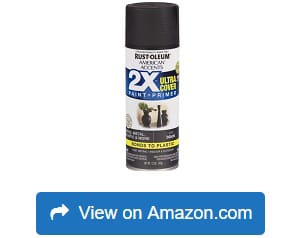
This product definitely makes a top-drawer painting aquarium background in that the outstanding features it has are simply irresistible. If you are eyeing to get a paint brand that can guarantee longer lasting shield for the item that you paint, then this is it. Its size is so cost-effective mainly because it can cover a total of 12 square feet painting projects. As you can see, you can already cover ample space without the need to spend much.
There is nothing for you to be upset about if you give this product a try. You will be stunned by its satin finish feature that could offer a low-luster look for the item you want to paint. And, unlike other paint products, this one won’t give you a hard time as you work on the spaces that are hard to reach. Its spray comfort tip would be your reliable assistant when dealing with these conditions.
Therefore, if it has been your longtime dream to give your fish tank sleek, sturdy, complete and very lucid color coverage, then it is high time to allow this paint brand to do the work for you.
All the same, you may notice some flaws such as cracks in the clear coat. Due to this, there is a need to do the second coat but this time you have to make it thicker. And, see to it that you execute your painting project in a well-ventilated area to avoid headaches or triggering your allergies as this product comes with strong odor.
- Highly recognized for its capability to guarantee long-standing protection
- Capable of covering a total of 12 square feet painting project
- Equipped with satin finish that provides low-luster appearance
- Makes it a lot more manageable to reach difficult to paint areas
- Can ensure vivid color, complete, smooth and durable coverage
- Comes with some clear coat imperfections
- Produces strong odor
7. Drylok 27512 Latex Water Proofer

What truly sets this latex water proofer product apart from other brands sold nowadays are its user-friendly and unmatched features. It proudly adheres to all present VOC requirements and its capacity is certainly awesome. To boot, the breathable film won’t obstruct the moisture in the masonry.
Undeniably, you have no reason to further your search when it comes to painting aquarium glass. This product can finally solve your problem at once. It is worth noting that it has a feature that efficiently adheres to foam stuff without any issues and it can give your items a more natural appearance when painted. When applying it, you can be assured that it goes on sleekly and can provide a very beautiful coverage that you won’t ever notice or experience with other brands.
This is deemed as a wise investment mainly because it is supported by a 10-year warranty that’s fully transferrable. Obviously, it is something that can give you the real value of your hard-earned money!
In spite of the gilt-edge features, of course, this product is not flawless too and it may come with a couple of weak sides that you need to be cautious of. Its size is considered small so you will need to get more if you intend to use it to cover larger areas or if you are going to use it with more items to paint. And, the current price tag is not budget-friendly; hence, it is expected that such a product like this will hurt your pocket.
- Works like magic in stopping water
- Does not come with strong and foul smell
- Does a fantastic job at providing shield against the penetration of radon gas
- Completely toxic-free so it’s harmless to your aquarium pets
- Can be applied with much ease and convenience
- Way overpriced
- Comes in small size
Krylon K02519007 Fusion for Plastic Aerosol Spray Paint (Outdated) This fish tank paint won’t let you and your aquarium dwellers down. It is certified safe to use for aquariums so it is non-toxic and won’t poison your finned friends. It is imperative to allow this to completely dry and cure prior to putting whatever you painted within the aquarium. Take into consideration that the drying period may be indicated by humidity and temperature, so allow it to dry for a minimum of 1 day to be safe. Without question, this product is capable of making your PVC appear like heavy metal pipes. And, since it comes with a very slight texture, this greatly aids in giving the plastic the appearance of a solid metal. This is no trouble to apply; it is built with exquisite design and can guarantee a sleek finish. Most importantly, you no longer have to worry about sanding and priming because these are not required anymore. Some of the sterling features that you will like about this spray paint include the fact that it is chip-proof and has the capability to bond solidly and instantly to most resins, PVC pipes and plasticsâ€â€many consumers who have used this product like its fast drying power. Nevertheless, this paint does not appear to do a very superb job on non-plane surfaces and it is more likely to get scratched easily. So, it is important to handle your item with care after applying the paint. Over and above, Krylon fusion aquarium safe is a nice product to spend in. You can safely utilize it on all your plumbing in your reef fish tank. You would hardly notice any side effects. It can provide an amazing look and this is definitely a satisfying product that you can invest in for your aquarium. It is harmless to various fish species and aquatic plants. But, once the paint was applied, you need to look after the item you have painted for there is a possibility for it to get scratched easily. And, do not expect this paint to do magic on non-plane surfaces. Do not be dismayed; it is still fantastic to have in the house; after all, you can’t exactly tell where it will come in handy.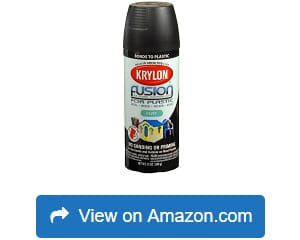
What To Look For When Buying An Aquarium Safe Paint

It is worth mentioning that spray paints formulated for plastic would become dormant after the curing process. Also, a fully cured plastic with completely dissolved solvents is definitely harmless to be used for various aquariums. It is not suggested to utilize mold-proof paints since these are dangerous to your fish tank occupants.
Be reminded that not all paints are suitable for aquarium use. In reality, since your fish tank serves a shelter for live aquatic plants and various fish species, this must be protected at all cost. And, that means it is imperative to be very cautious when it comes to the kind of paint you are going to use. Paints could be toxic and may endanger the health and safety of your pets. So, prior to buying one, you need to contemplate essential factors on what to consider or not.
Generally, any paint that is marked as food safe or safe for use in drinkable containers would be unassailable for your fish tank dwellers. But, this must be properly utilized and make sure to wait for the recommended period of complete curing.
In order to ensure ending up with the right paint for aquarium glass, consider getting oil-based paint products mainly because these are guaranteed to stick to glass excellently. On the other hand, paint products that are water-based commonly do not last long and may only provide temporary solutions for these can instantly flake off.
If you plan to paint a PVC pipe that will be deluged in water, opt for paint products that are appropriate for use for plastic materials. These become fully dormant after sticking with the surface. Meanwhile, when painting your aquarium decors, you may choose epoxy paint. This may be deemed as pernicious when drenched; however, this is reasonably harmless to be submersed in water when it has completely dried. Alternatively, you can also utilize acrylic latex paints. But, this won’t be as long-lasting as epoxy paint.
In addition to this, paint products that are acrylic-based require to be supported by ultraviolet protection while paint products that are latex-based will only disintegrate water-based ones. It is essential to know that all types of painting products could be harmful prior to a complete cure. Indeed, these are toxic and must be handled with the utmost care during and after the application process.
Hence, when buying aquarium paint for your glass, you better take all these reminders in mind. To sum things up, always check the label first if the paint product you are about to purchase is aquarium safe and see to it to adhere to the application instructions properly to avoid any issues in the long run.
Other Important Factors To Consider

What is aquarium safe paint? How does it work?
Aquarium safe paint is a type of paint product that is especially designed and formulated for fish tank use. As discussed, since you have living creatures dwelling inside the aquarium, it is a must to ensure that you only use paint products that are labeled as “aquarium safe†because this means that they won’t in any way bring about any injuries or ailments to your finned friends and aquatic plants.
Such product is considered non-toxic when dried and has completed the recommended or full curing period. This comes in different variants such as acrylic-latex-based, water-based, oil-based, epoxy paint and those that are suitable for plastic materials too. These variants come in different features for you to select from depending on your fish tank needs.
Aquarium paint products work by being applied to the part of the tank that fish tank owners prefer to paint. Some of them require dusting, sanding and priming before the application process. They generally come in spray nozzles that can provide a comfortable and solid grip while in use. This makes the paint easy to use and apply even for beginners. You only need to follow the application procedures that are indicated in the product’s label. Then, wait for it to dry and completely cure for a minimum of one day.
What are the different types of paint to use on aquarium?
Some of the diverse types of paint that you can use for your fish tank consist of:
- Oil-based paint products designed for aquariums. These are very excellent when it comes to sticking to glass materials. Thus, they could be a long-lasting solution to consider.
- Water-based paint products formulated for fish tanks. These are safe to use but are not specifically intended to offer a permanent solution. If you are in a hurry and do not prefer to paint your aquarium glass with something that could last for a long time since you wish to replace the paint more often, then this is the one for you. This usually flakes off after some time.
- Paint products suitable for plastic materials. This will do well if you prefer to paint a PVC pipe that will be immersed in water. Such a product can become completely dormant after fastening with the surface.
- Epoxy paint products. These work wonders for painting fish tank decors. When wet, they could be toxic but once they have thoroughly dried, these become safe to use when immersed in water. These are known to have the capability to disintegrate water-based ones.
- Acrylic latex paint products. These are safe and good to use too. Nevertheless, they do not last long. These must also come with ultraviolet protection features.
Why do you need paint for aquarium glass? (Benefits)
Once you have already decided on the type of aquarium paint to use, of course, you also have to consider the color of the paint that you are going to buy. When picking the color, aside from your personal taste, you also have to think through the kind of fish you are keeping in your aquarium, your aquarium lighting, and the color of live aquatic plants thriving in it, sand color and other tanks adornments that you have added in the fish tank.
Needless to say, if you paint your aquarium glass with fish tank safe paint product, this won’t only become more durable, but it will look more polished and appear brilliant as new and with the right choice of color, everything that is residing and added inside the fish tank will complement each other.
Of course, you should not opt for colors that would only make your aquarium look dull and unattractive. The color should perfectly blend with the colors of the fish, plants, sand and lighting so that your fish tank will be transformed into an eye-catching sight that is so nice to behold for everyone. Without a doubt, your aquarium pets will also delight in their newly-painted habitat.
When you have an age-old fish tank and you wish to transform it to a more polished and clean appearance, you can always rely on aquarium safe paints to do the job. Since it would only be a waste of money to buy a new tank, you can still refurbish the old one by simply painting it with top-quality fish tank paint products.
Let us sum up some of the perks of painting your fish tank with aquarium safe paint products:
- This can help make the tank become more durable, withstand rugged use and ensure long-lasting service.
- This is one great way to provide a more beautiful and impressive natural-looking environment for your fish tank inhabitants.
- Painting the background of your aquarium can make it look more exquisite and a wonderful sight to behold after a long and exhausting day.
- You can have the chance to set aside more money because there is no need to purchase a new tank where to house your finned friends and other aquatic plants.
- You can give your aquarium a new look, you can hide some unsightly blemishes and make it appear as lovely as a new tank.
Frequently Asked Questions

What’s the top rated paint to use on glass?
Many experts recommend using Krylon’s K02728007 Fusion Spray Paint. Its reputation is excellent for being easy to use and offering top durability. I certainly concur with these findings, as it was the perfect option to provide style for my fish tank mural background.
But all the options mentioned in our article are top fish friendly paint products. You can feel comfortable using any of them without any issues occurring. So if Krylon Fusion Spray Paint isn’t available in ideal aquarium colors, don’t hesitate to pick another one.
What kind of paint to use on aquarium decorations?
Only use an aquarium safe sealant for decorations or fish tank paints. These products are deemed suitable for inside an aquarium where decoration will be placed. Often, they would be labeled food-safe.
A solid example would be Pond Armor’s Non-Toxic Epoxy Paint. It’s marketed explicitly as paint for underwater purposes.
But read the description if you need clarification on using a particular product. Manufacturers will let you know whether they’re offering an aquatic paint or aquarium safe paint sealant for decorations/underwater usage.
Is there permanent paint for glass?
I wouldn’t consider any paint permanent on aquarium glass. But some types do last much longer and offer excellent durability, especially compared to water-based options. For instance, oil-based aquarium paints will offer almost permanent long-term use.
If you purchase one of them, I wouldn’t expect the need to repaint anytime soon. They stick to glass much more effectively while resisting peeling or other issues. Oil-based paints are often expensive compared to acrylic or water-based choices.
Is acrylic paint safe for aquariums?
Certain types of acrylic paint products are for aquariums. In these cases, they’re water-based variants of traditional acrylic paint. It makes them non toxic waterproof paint to ensure they don’t seep chemicals into your tank’s water.
Therefore, it’s vital to avoid using any chemical-based acrylic paint. These options will be unsafe for aquarium usage and cause adverse side effects. They’re basically “water change paint products,” which you don’t want.
An excellent example of a solid acrylic option would be Rust-Oleum’s 1976730 Painters Touch Latex. It offers a water-based formula to provide tank-safe usage. In fact, I used this product’s color to paint an aquarium background on several occasions.
Is Plasti Dip Aquarium Safe?
Once it dries entirely, Performix’s 11203 Plasti Dip is safe for fish. I’d only recommend waiting 24 hours before placing the fish or decorations back into the tank. It would be best if you also rinsed off the ornaments in a bucket of dechlorinated water to ensure there’s no issue.
If you follow these directions, I’m confident that Plasti Dip is an excellent option. I certainly haven’t had issues with this product when using it. Plus, it offers multiple other uses, such as for PVC pipe coloring or RV applications.
Are aquarium safe paints bad for fish?
As mentioned earlier, not all paints are safe for fish tanks, so it is indispensable to check the product’s label first if it is marked as “safe to use for aquariums.†And, even though these are labeled as such, it is still safer to handle and use them with utmost caution.
Plenty of fish tank owners often utilize two-part latex-based acrylic paints or epoxy paints for their tank’s adornments. It is highly advised to avoid sealers or paints that come with mildew-resistant features precisely because such chemicals could seriously endanger the health and safety of your fish.
Not to mention, epoxy paints are deemed as harmless to use for aquariums since these are certified as toxic-free and are durable to use. Such products are chemical-proof and easy to clean. They could even provide an airtight seal that is intended to shield your concrete from the pond water. You may opt for epoxy paints that do not come with buoyant organic compounds since VOC gases would only maltreat your aquarium dwellers.
Meanwhile, when it comes to spray paints, these are all right to use when they become dry and the smell has vanished, these are regarded as toxic-free. Conventional spray paints like lacquer paints and the more upgraded acrylic spray paints that are offered by art suppliers can both guarantee long-standing performances; however, it is critical to seal them to be safer tightly.
Paints designed for fish tanks have been tested and proven harmless to various fish species and live aquatic plants provided these are used as directed. Many of them become toxic-free when dried and have completed the full curing process. To avoid any issues, it is a must to adhere to the application procedures stringently. And, wait for the entire curing period to complete prior to setting up the newly-painted fish tank for your finned friends.
How to use?
When using aquarium safe paint, you’ve got to follow the procedures below:
- Prepare all the materials needed. These include the spray paint can, the tank that needs to be painted, scissors, a tape roll, plastic sheet or garbage bag that is cut into a sheet, and a stand where to place your tank while painting.
- Utilize the garbage bag or plastic sheet to mask the other edges that you don’t prefer to paint. See to it that the tape is properly fastened.
- Mask off the above portion of the tank to avoid some paint from getting inside. While there are available fish tank safe paint products that you can buy, still your tank will have an ugly sight if there are splotches scattered in it. And, in order to have a full cover, you may use more plastic or more tape to protect the above section of your tank.
- It is important to utilize a stand to help keep the fish tank off of the lawn while painting it. You may also consider using an old soft cloth or towel to ward off the possibility of having it scratched.
- See to it that the tank glass is clear of any water marks or dirt prior to the painting process because this could create bulges and will be locked under the paint.
- Consider putting a small dusting and allow it to dry for a minute. This shall allow the paint to stick better. It is a must to utilize horizontal strokes that extend over the corners of the surface. Afterward, you may now release the button after each pass. The spray paint’s nozzle should be at least 8†by up to 10†away from the glass when painting.
- Lastly, allow the paint to dry for approximately an hour. There is no need to work on the second coating. Carefully remove the masking and you can inspect what you have done.
How to care & store?
It is very important to properly and tightly close the aquarium paint after use. To be sure, you can go over the product’s label to check the proper use and storage methods. As you already know, paint products are highly sensitive and flammable. This is the reason why it is crucial to store them in a cool dry place away from direct heat or sunlight or anything that could bring about fire.
And, as much possible, keep it away from children. While these may be non-toxic, children may still play with them and may cause unfortunate incidents. Be sure to keep it in a storage area where no one comes to smoke. Paint products are highly combustible, so you should be extra cautious.
Where to buy?
Aquarium paints are luckily very easy to find. As a matter of fact, you can get them in nearby local hardware stores, home improvement centers, home depot, and other local pet stores. Meanwhile, if you do not prefer traveling and buying from stores personally, then you may shop online. Some credible online shopping sites where you can buy this type of paint include Amazon, eBay, Lowes, Petco, Petsmart and the like.
These local stores and online shopping sites can offer you with lots of options to select from. The price range and size differ according to your preferred product. Make sure to read the product descriptions first when shopping online.
Conclusion
As a whole, it is vital to learn more about plenty of different paints designed for aquariums so that you can end up with a well-conceptualized decision. Take note that it is very substantial to carefully choose non-poisonous aquarium paints to ensure the health and safety of your aquarium inhabitants. While it is true that there are so many options available at present, only a few of them are actually safe, toxic-free and appropriate to use for your fish tank.
So, rather than buying a new aquarium and getting rid of your old adornments inside the tank, you may just consider buying the best paint for aquarium glass to refresh the old tank. It is delighting to know that with non-toxic paints suited and especially formulated for various types of fish tanks, you can make your old aquarium and other embellishments inside the tank to look more polished and look good as new again.
You don’t need to spend extravagantly on buying a new fish tank, with the right aquarium paint, and by checking out the products reviewed above, you can find the perfect solution that you’re looking for. The good news is that these are easy to find and not that overpriced.